

When Service Becomes Personal
“Leadership becomes powerful when service becomes personal.” Generic leadership produces average results. Personal leadership creates meaningful impact. When leaders understand individual strengths, motivations, and challenges, service becomes targeted and effective. People feel known, not managed. That personal connection increases engagement, trust, and accountability. Leadership scales best when people feel personally invested—not professionally processed. Turn Insight Into Impact:The Leadership Development Series gives

Support Creates Strength
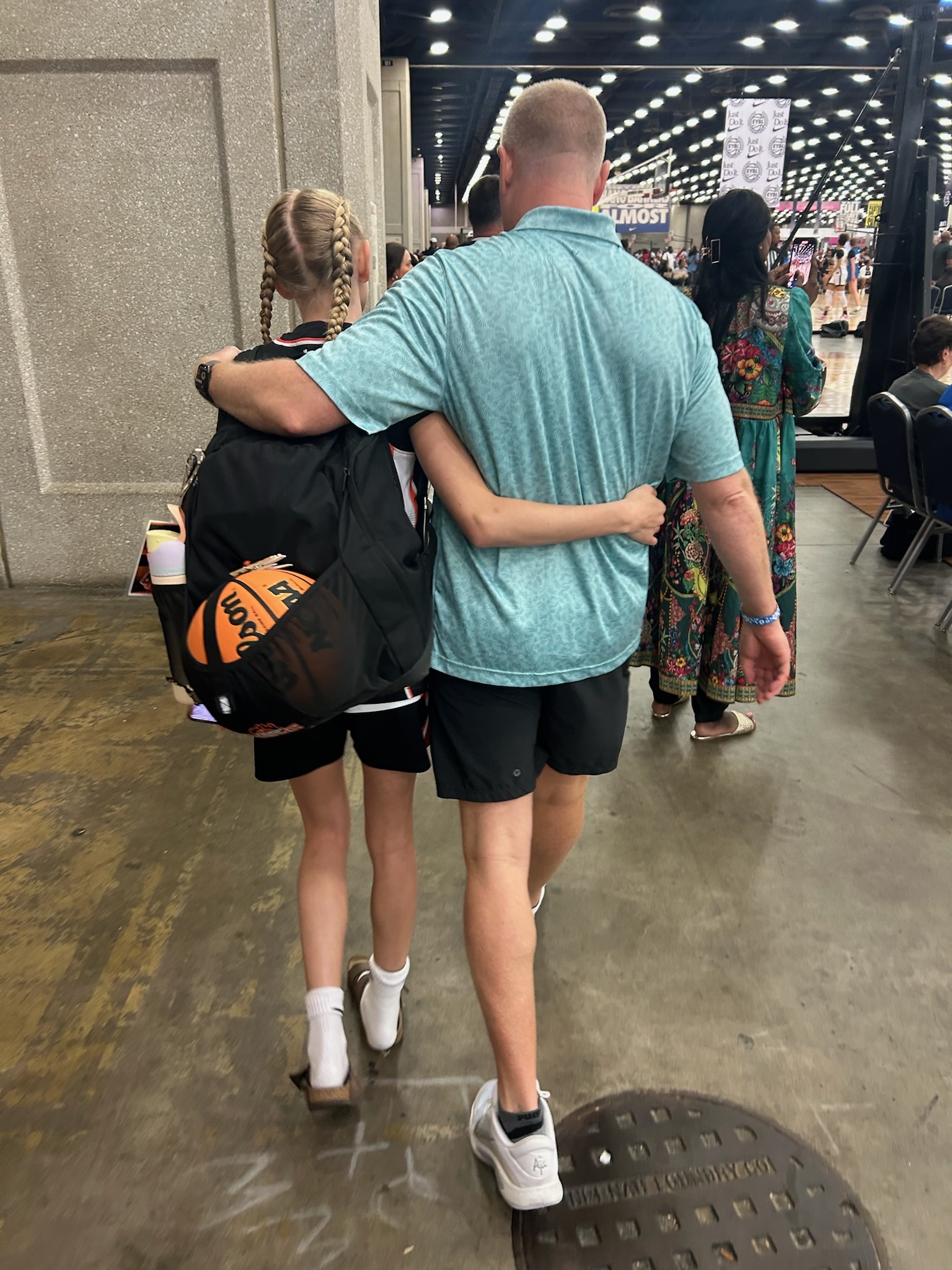
“People don’t need to be fixed—they need to be supported.” When performance dips, leaders often rush to correction. But in many cases, what people need first is support. Support builds confidence. Confidence restores momentum. Leaders who provide guidance, resources, and encouragement help people grow faster and more sustainably than those who focus only on what’s broken. Strong leaders
From Compliance to Commitment
“Empathy turns compliance into commitment.” Compliance happens when people feel obligated. Commitment happens when people feel understood. Leaders who lead with empathy take time to understand context, pressures, and perspectives. That understanding builds trust—and trust invites people to invest more of themselves in the work. Empathy doesn’t mean avoiding hard conversations. It means having them in a way

What You Model Multiplies
“Serving your team fuels their desire to serve others.” Leadership behaviors don’t stop with the leader—they spread. What leaders model becomes the standard, whether intentionally or not. When leaders serve their teams with humility, clarity, and consistency, they create a ripple effect. Team members begin to support one another more readily. Collaboration improves. Service becomes part of
Presence Beats Perfection
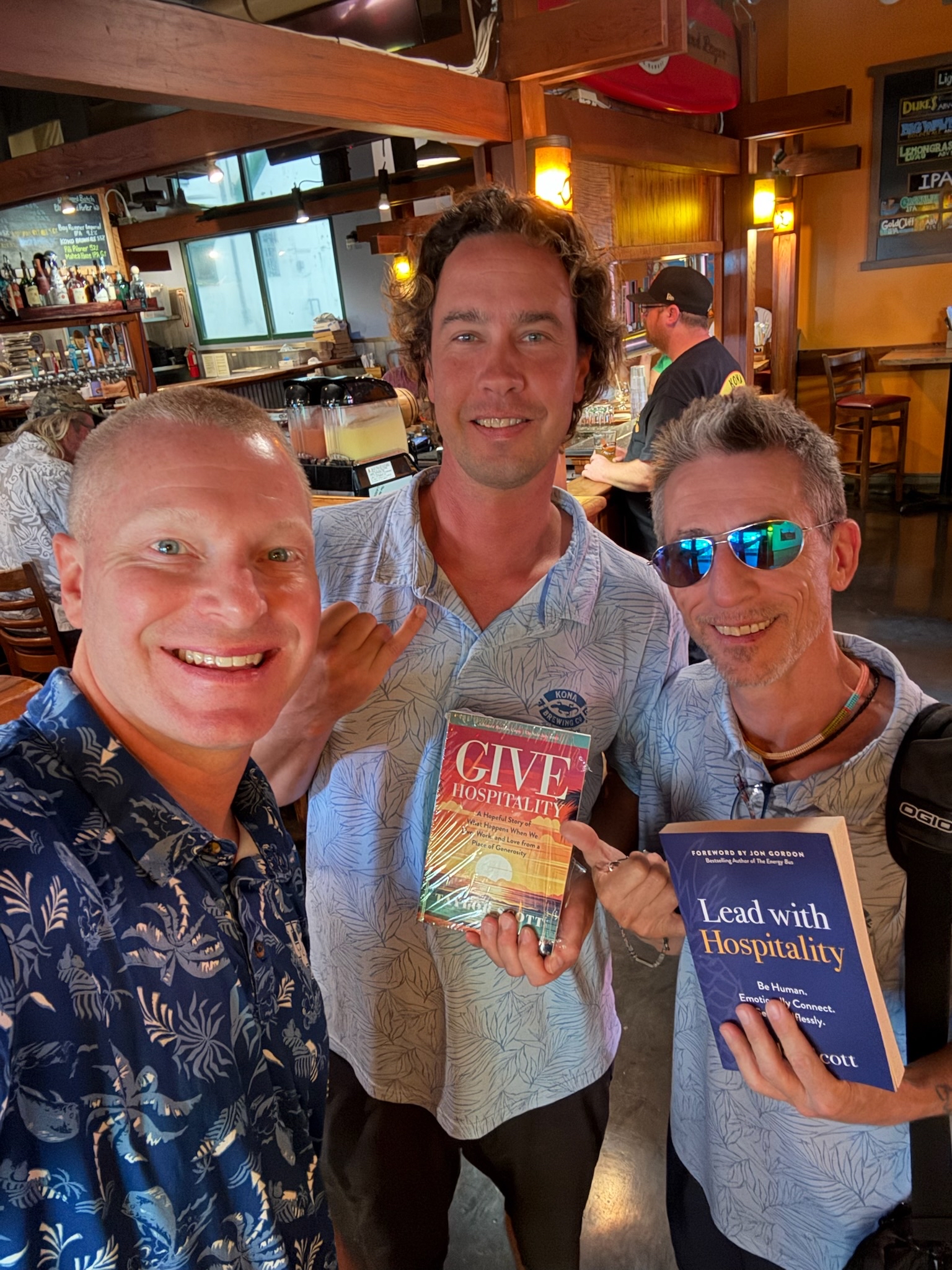
Perfection creates distance. Presence creates connection. Leaders don’t need to have every answer. They need to be available, engaged, and attentive. When leaders are present—mentally and emotionally—people feel valued and supported. Presence builds trust in moments that matter most: during change, uncertainty, and challenge. And trust is what sustains performance over time. Turn Insight Into Impact:The Leadership Development Series
Care Is Not Optional
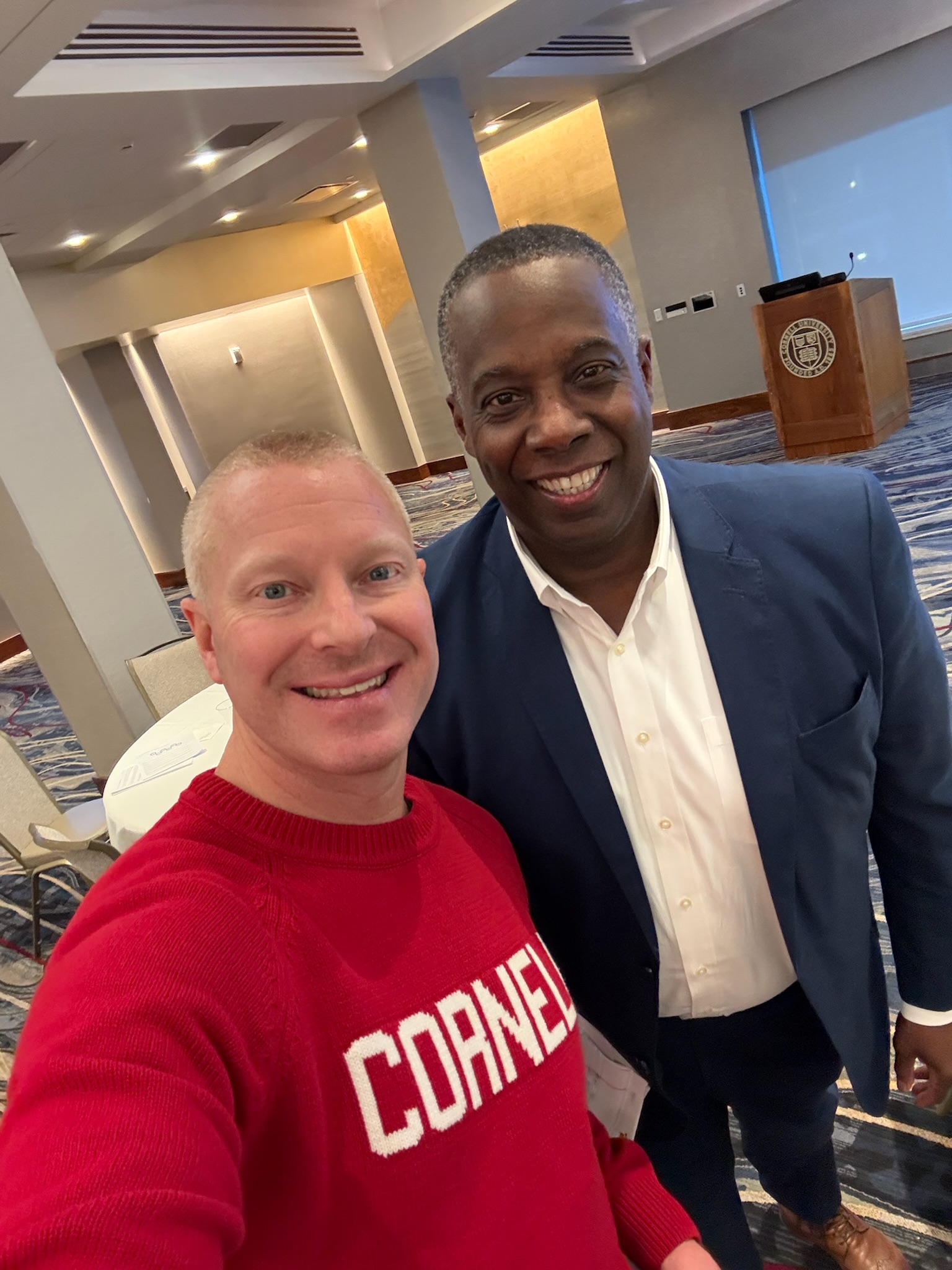
“Leadership isn’t about control—it’s about care.” People don’t give their best effort to leaders who treat them like resources. They give it to leaders who genuinely care about their growth, wellbeing, and success. Care shows up in how leaders respond under pressure, how they check in during change, and how they balance results with humanity. When leaders
Remove the Obstacles, Release the Potential
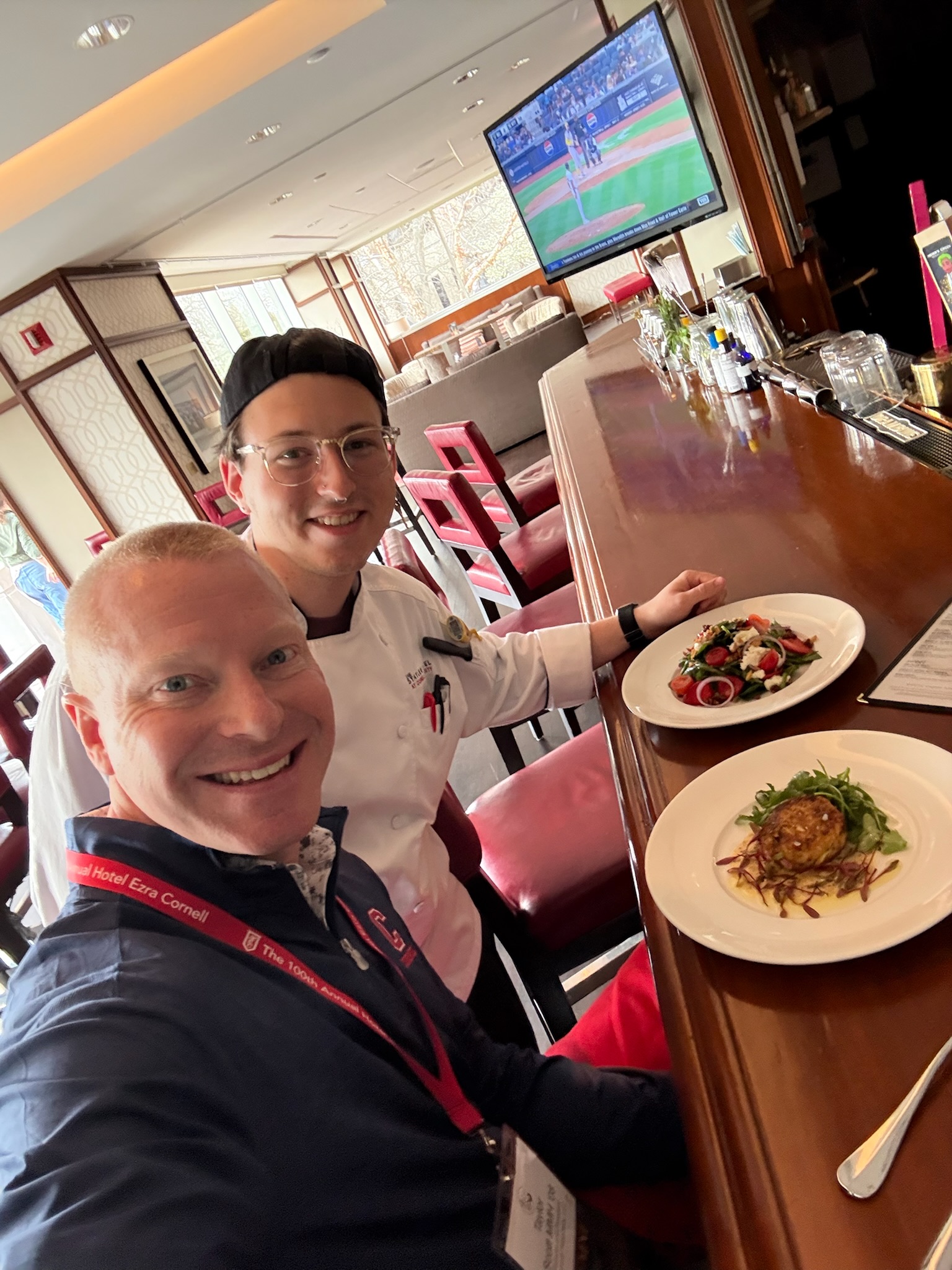
High-performing leaders don’t position themselves as the hero. They position themselves as the guide. Instead of controlling outcomes, they identify barriers—unclear priorities, competing demands, broken processes—and remove them so their teams can focus on meaningful work. When obstacles disappear, confidence grows and ownership follows. Leadership impact isn’t measured by how much a leader does personally. It’s measured
Listening Builds Trust Faster Than Direction
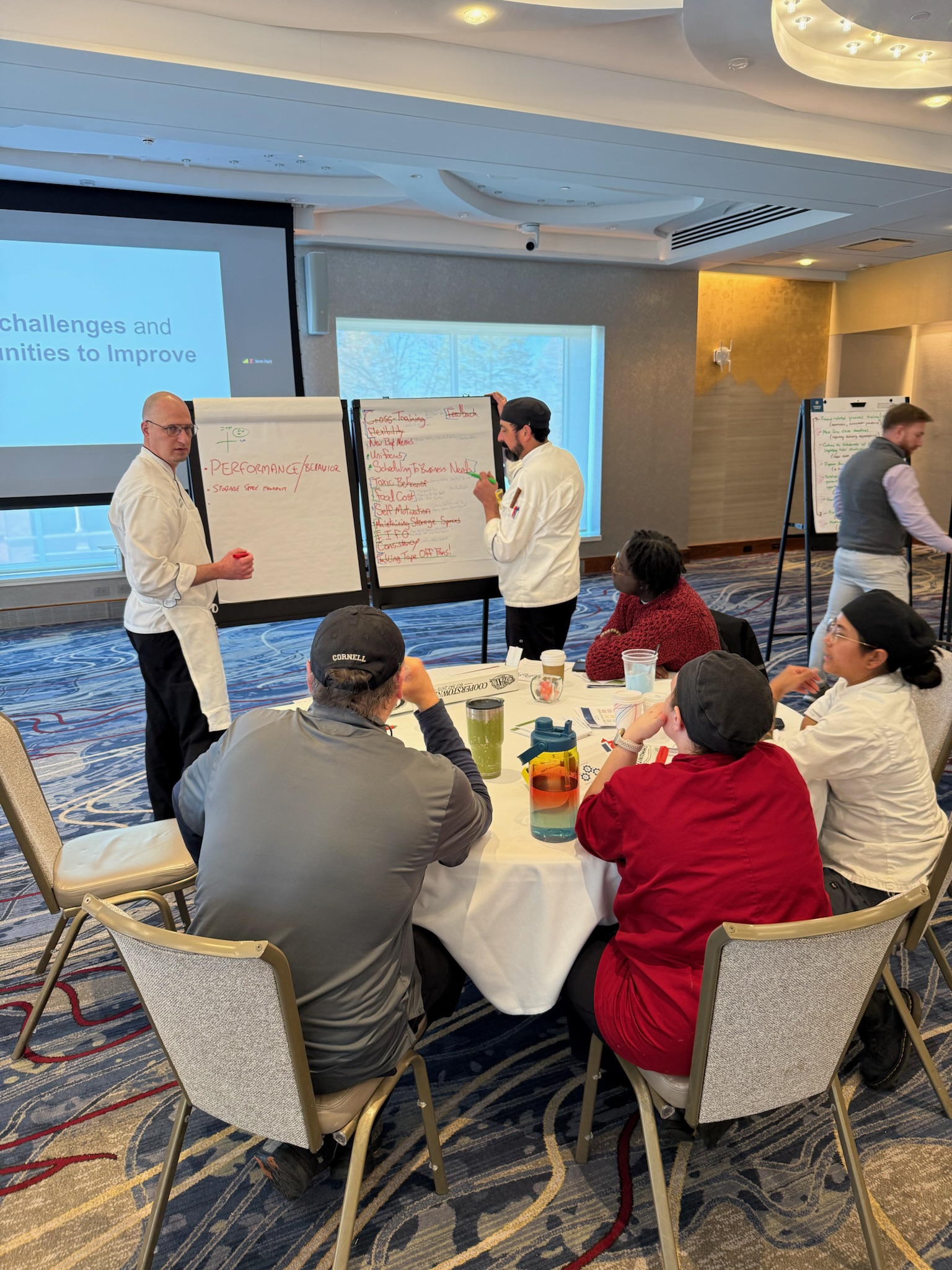
Listening is one of the most underestimated leadership skills. Many leaders hear words, but fewer truly listen for meaning, emotion, and intent. When leaders listen deeply, people feel respected. That respect builds trust, and trust creates speed—faster alignment, better decisions, and fewer misunderstandings. Teams don’t need more direction when they feel heard; they need leaders who
Understanding Comes First
Leaders are often quick to provide answers. But the most effective leaders pause long enough to understand the full picture before responding. When people feel understood, they’re more open to feedback and more receptive to coaching. When they don’t, even well-intended guidance can feel dismissive or disconnected. Seeking understanding first signals respect. It builds trust and creates
Empathy Is a Leadership Advantage
Empathy allows leaders to understand what’s really happening beneath the surface. It helps leaders recognize when someone is struggling, disengaged, or overwhelmed—before performance declines. Empathetic leaders don’t lower expectations. They raise clarity and support. By understanding people as humans first, they create conditions where accountability and compassion coexist. In complex, fast-moving environments, empathy isn’t optional. It’s a