

Service Is Leadership
Leadership is often misunderstood as authority or control. In reality, the most effective leaders see their role as one of service. Serving leaders focus on removing obstacles, clarifying expectations, and supporting growth. They don’t ask, “How do I get more from my people?” They ask, “What do my people need to succeed?” This mindset shift changes everything. Teams led by
Why People Really Leave
“People don’t leave organizations—they leave environments that stop feeling human.” When leaders talk about turnover, the conversation often centers on compensation, workload, or career paths. While those factors matter, they’re rarely the full story. Most people leave because the emotional experience of work changes. They stop feeling seen. Conversations become transactional. Trust erodes quietly. Over time, work
Loyalty Lives in Connection
“The fastest way to loyalty is emotional connection.” Loyalty isn’t driven by policies or perks. It’s driven by connection. People stay committed to leaders who invest in them emotionally—who listen, care, and follow through. Emotional connection creates a sense of belonging, and belonging fuels discretionary effort. When leaders prioritize connection, they don’t have to constantly motivate or micromanage.
Welcome Is a Strategy
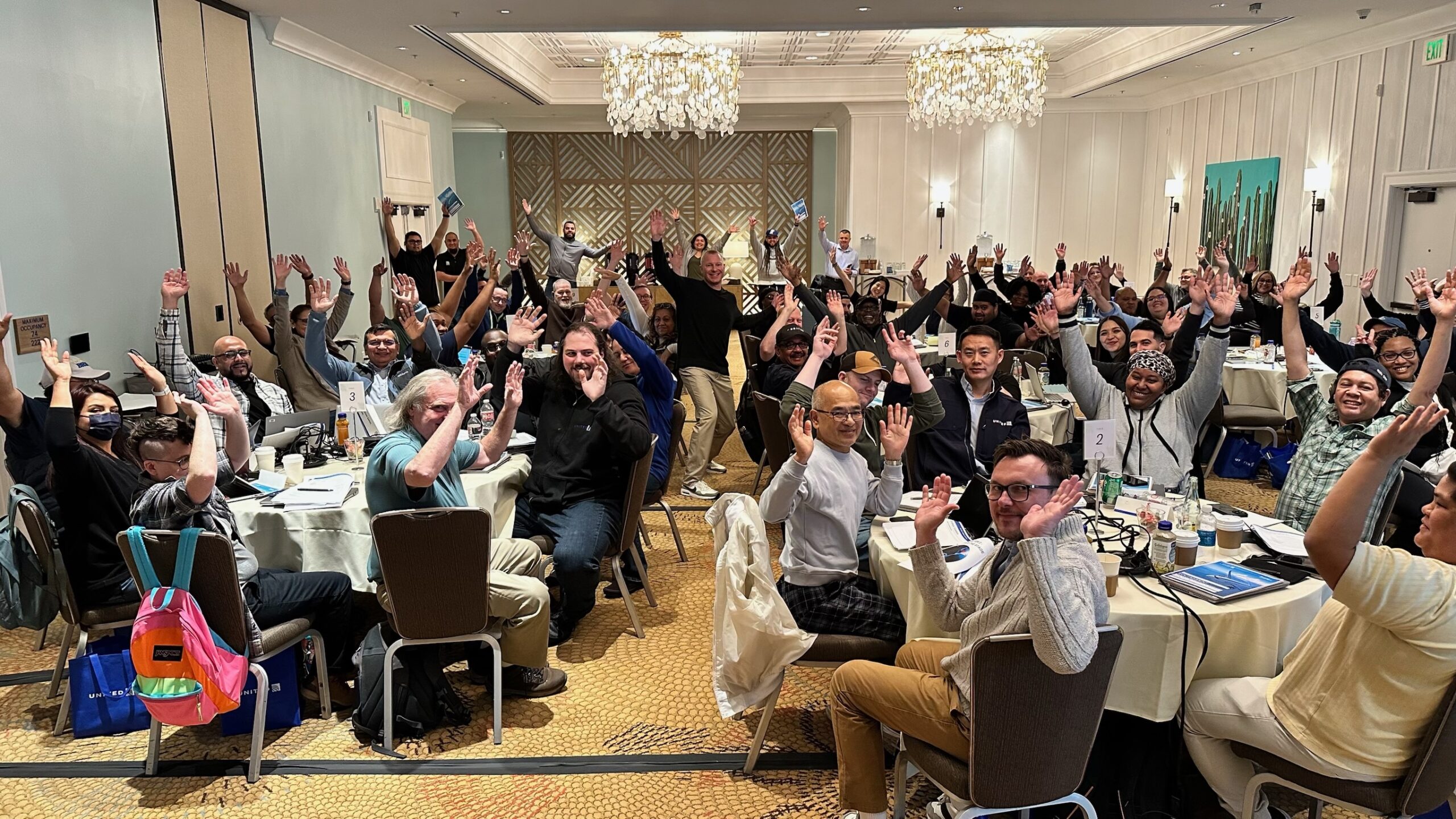
“Welcoming people is not soft leadership—it’s strategic leadership.” Some leaders view welcome as a courtesy. High-performing leaders understand it as a strategy. When people feel welcome, they’re more open, more collaborative, and more willing to contribute ideas. When they don’t, leaders spend unnecessary energy managing resistance, disengagement, or turnover. Welcoming leadership shows up in onboarding, meeting facilitation, feedback

Small Moments, Big Impact
“Connection is built in moments that feel small but land big.” Leadership is rarely defined by grand gestures. It’s shaped in brief conversations, timely check-ins, and the way leaders respond in everyday moments. A leader’s tone during a meeting. A quick message of appreciation. A few minutes of undivided attention. These moments accumulate, forming the emotional experience

Humanity Is What Sustains Leadership
“Your title may open the door—your humanity keeps people inside.” Titles grant authority, but they don’t earn loyalty. People may comply with leaders because of a role or position, but they stay committed because of how leaders treat them. Human leadership shows up in humility, empathy, and approachability. It’s revealed when leaders admit they don’t have all
Leading the Elephant
“If they don’t feel it, they won’t do it.” Behavior change doesn’t begin with logic—it begins with emotion. Leaders can share the right strategy, the right data, and the right plan, yet still struggle to inspire action. Why? Because people don’t move until they feel motivated, supported, and believed in. In leadership, emotion is the engine. When leaders
Seen Before Great
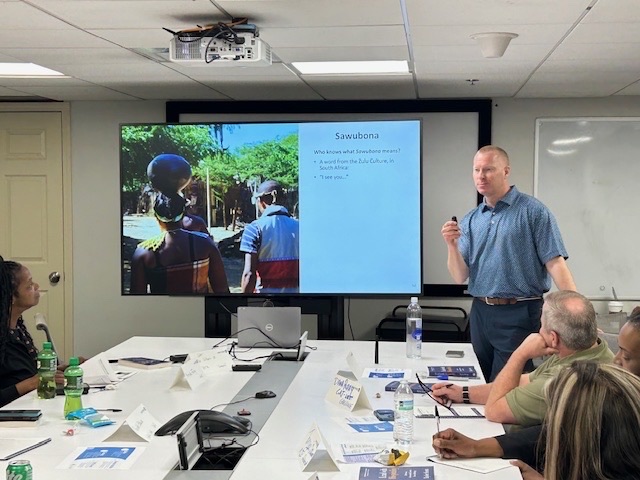
“Make people feel seen before asking them to be great.” Recognition is often treated as a reward for results. In reality, recognition is a prerequisite for results. When people feel seen—truly noticed for their effort, growth, and contribution—they gain confidence. Confidence fuels engagement. Engagement fuels performance. Leaders who skip this step often find themselves asking for more
Leadership Begins with Safety
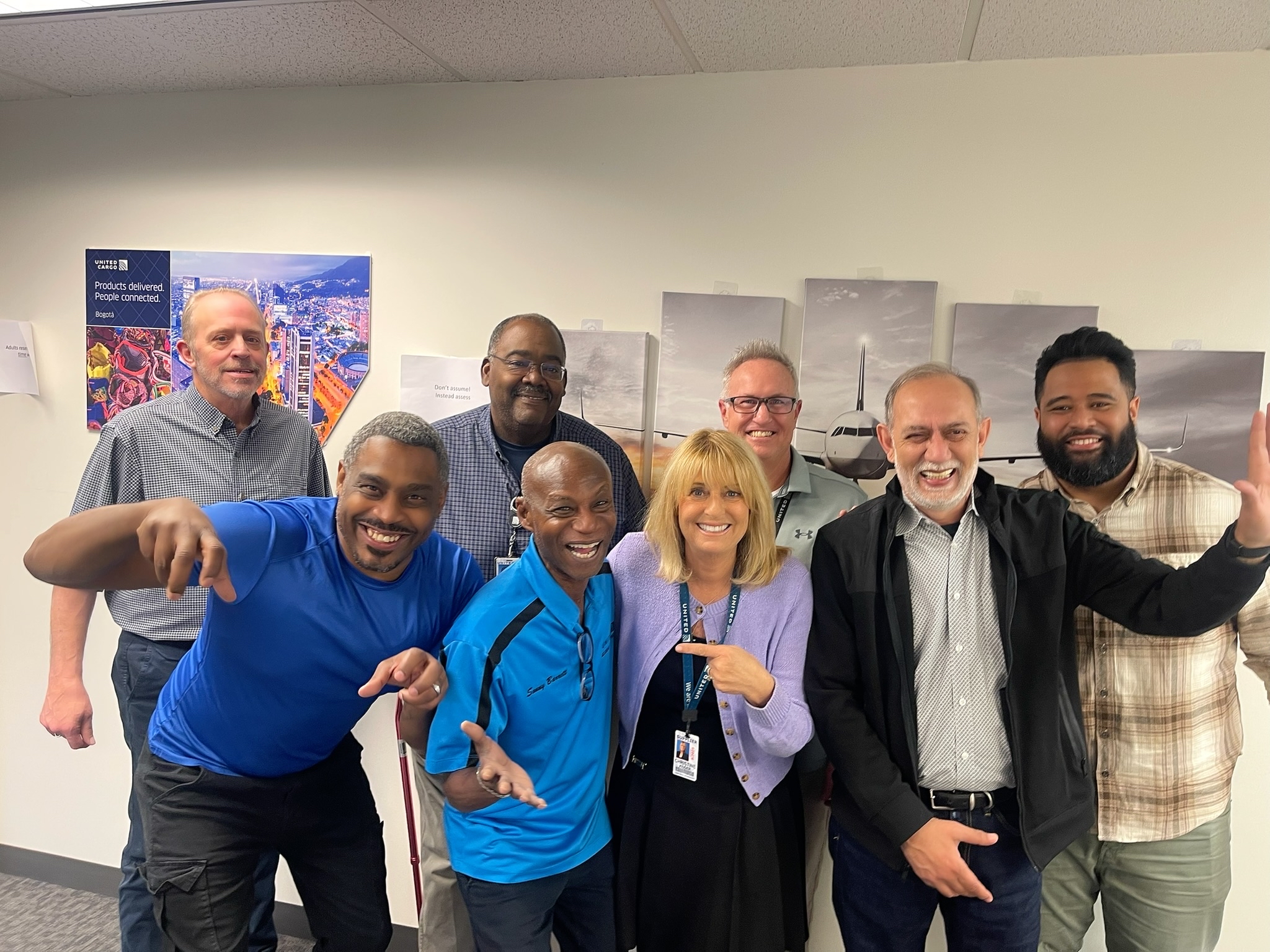
“Leadership begins the moment someone feels safe in your presence.” People decide very quickly whether a leader is safe. Safe to bring ideas. Safe to admit uncertainty. Safe to be human. That decision shapes everything that follows. When leaders lead with presence, empathy, and consistency, people open up. Conversations deepen. Trust strengthens. When leaders lead with impatience, defensiveness,

Psychological Safety Unlocks Performance
“When people feel welcome, they relax. When they relax, they perform.” High-performing teams are not driven by pressure alone. They’re driven by psychological safety—the feeling that it’s okay to speak up, ask questions, and make mistakes without fear of embarrassment or punishment. When people are tense, guarded, or worried about how they’ll be perceived, creativity and discretionary